ARDMORE
Ardmore is a cute suburb around with easy access to Philadelphia.
Ardmore, Pennsylvania is rich in history, dating back to its 1686 settlement. What was then called Athensville only consisted of eight houses, three stores, and a hotel. The Pennsylvania Railroad was the impetus behind Ardmore’s eventual expansion, as the village is located at mile 8.5 on the railroad’s “Main Line.” Today, downtown Ardmore is known as “Main Line’s Main Street,” and people come from around the region to enjoy its shops and restaurants.
Ardmore, PA is a small suburban town located in Montgomery County, Pennsylvania, United States. It is situated about 10 miles west of Philadelphia on the Main Line and has a population of around 13,000 people. The median household income in Ardmore is $80,070, and the median property value is $423,000. The town has a diverse population, with a mix of many different ethnicities and cultures. Ardmore has a vibrant downtown area with many shops, restaurants, and entertainment options. Overall, Ardmore is a welcoming and charming town that offers a great quality of life to its residents.
Living in Ardmore offers residents a suburban feel, with plenty of parks and green spaces, and a variety of shops, restaurants, and cafes to explore. The town has a rich history and boasts several historic landmarks, such as the Ardmore Train Station and the historic Ardmore Theater.
One of the biggest advantages of living in Ardmore is its location. It is situated near major highways, making it easy to travel to other parts of Pennsylvania and beyond. It also has excellent public transportation options, with several train stations located within the town, making it easy to travel to Philadelphia and other neighboring towns.
There are several excellent schools in Ardmore, including public and private schools, which offer quality education for children of all ages. The town also has a strong sense of community, with plenty of local events and activities throughout the year, including concerts, festivals, and farmers markets.
However, living in Ardmore does come with some drawbacks. The cost of living in Ardmore is higher than the national average, with housing costs being particularly expensive. Additionally, while the town has a diverse population, it may not be as diverse as larger cities like Philadelphia.
Overall, Ardmore is a great place to live if you are looking for a suburban lifestyle with easy access to major cities and plenty of amenities.
Neighborhood Overview
On a sunny weekend in Ardmore, Lancaster Avenue hums with people heading to Suburban Square, grabbing coffee, and lining up for a show at Ardmore Music Hall—all just a quick train ride from Center City. Living in Ardmore puts you in the heart of the Main Line’s most energetic downtown, with historic streets, strong schools, and a real “downtown meets suburb” feel that’s hard to duplicate.
Ardmore stretches across parts of Lower Merion Township in Montgomery County and into neighboring Delaware County, so you’ll see a mix of classic Main Line blocks, tree‑lined side streets, and denser areas closer to the train and shops. Recent data shows that Ardmore continues to rank among the top places to live in the Philadelphia region, drawing buyers who want walkability, transit, and access to the Lower Merion School District. If you’re starting to explore homes for sale in Ardmore or simply wondering if Ardmore is a good place to live, think of it as a lively, transit‑friendly suburb with year‑round things to do.
Ardmore History
Ardmore, PA has a rich history dating back to the late 19th century when it was first settled. Originally known as Athensville, the town's name was changed to Ardmore in 1873 by the Pennsylvania Railroad Company, which established a station there.
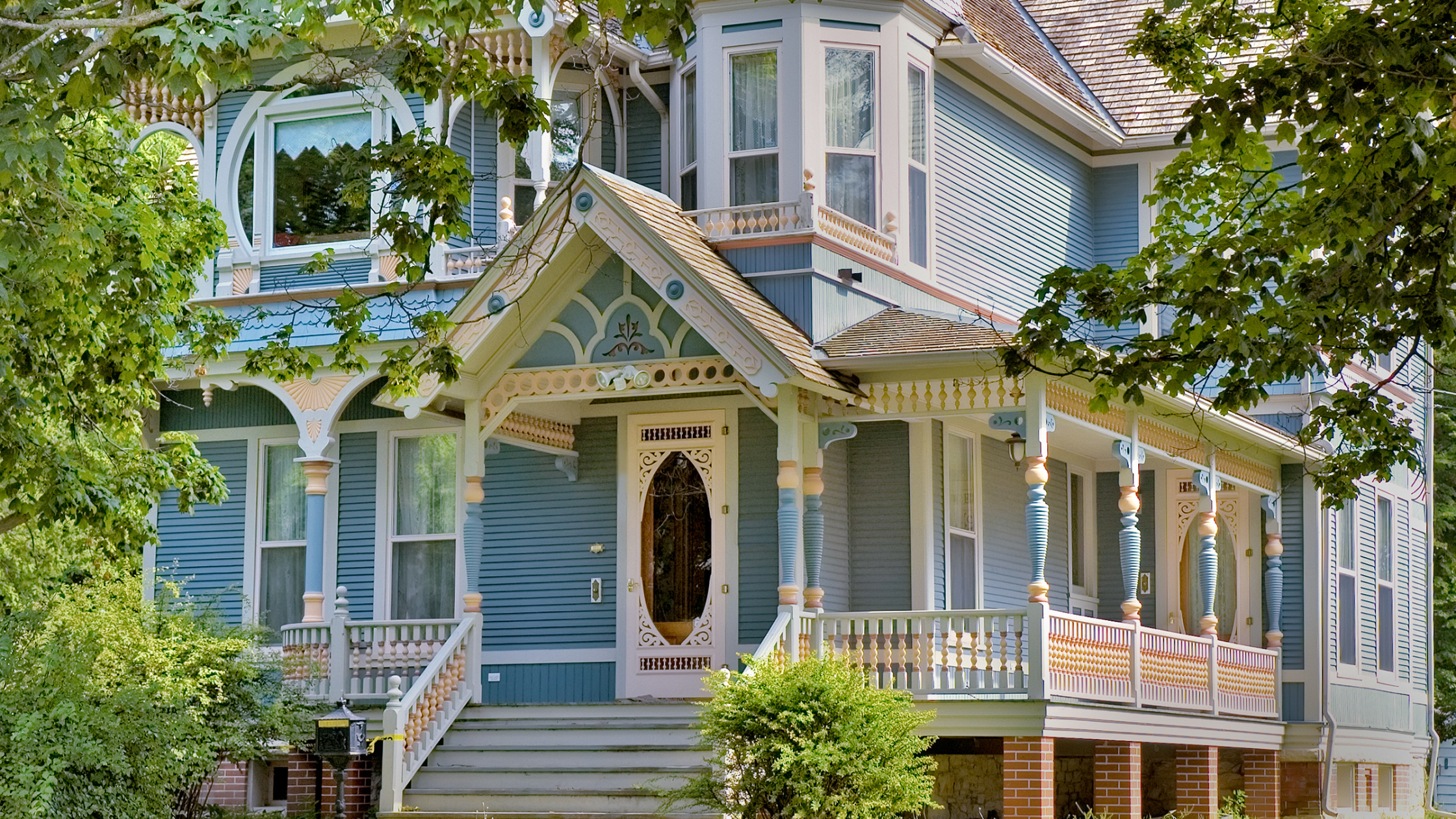
In the late 19th and early 20th centuries, Ardmore became a popular summer resort destination for wealthy Philadelphians, who built many grand Victorian homes in the area. The town also attracted many businesses and industries, including brick-making, textiles, and a thriving downtown shopping district.
In the post-war era, Ardmore experienced significant changes as suburbanization and the growth of the automobile industry led to the construction of highways and increased mobility. This resulted in the growth of suburban communities and a decline in the town's downtown area.
Today, Ardmore is known for its strong sense of community, its historic landmarks, and its proximity to major cities. Many of the town's Victorian homes and historic buildings have been preserved, and the downtown area has experienced a revival in recent years with new businesses and restaurants opening up.
Overall, Ardmore's history is one of growth, change, and adaptation, reflecting the broader trends and forces that have shaped American communities over the past century and a half.
How did it get the name ardmore?
Ardmore, PA was originally named Athensville when it was first settled in the late 19th century. However, the town's name was changed in 1873 when the Pennsylvania Railroad Company established a station there.
The name "Ardmore" was reportedly suggested by the wife of one of the railroad company's executives. The name is thought to have been inspired by the Gaelic word "ard mhor," which means "great height" or "high ground," reflecting the town's location on a hill overlooking the surrounding area.
The name Ardmore has since become synonymous with the town, and it is now recognized as one of the oldest and most historic communities in the region. The town's name reflects its rich history and heritage, and it has played an important role in the development of the surrounding area over the past century and a half.
Lifestyle and Local Highlights
Day‑to‑day life in Ardmore centers around its busy downtown and surrounding residential streets. Local highlights include:
Suburban Square: One of the country’s first open‑air shopping centers, now home to a mix of national brands, local boutiques, restaurants, and a year‑round farmers market.
Ardmore Music Hall: A well‑known live music venue that brings in regional and national acts and keeps the nightlife energy going throughout the week.
Lancaster Avenue and Ardmore’s main streets: Packed with cafes, bakeries, bars, independent shops, and everyday services, giving the area a small‑city vibe in a suburban location.
Parks and recreation: Access to township parks, playgrounds, and nearby trails, plus community events and seasonal festivals that keep the calendar full.
When I help clients think about living in Ardmore, we look closely at how much they want to walk versus drive. What surprises many buyers here is how “city‑convenient” life feels—especially if you’re within a few blocks of the train and Suburban Square—while still coming home to tree‑lined streets and neighborhood blocks.
Housing and Architecture
Ardmore real estate is classic Main Line: a mix of historic homes, modest twins, apartments, and newer luxury options. When buyers ask, “What types of homes are in Ardmore?” this is usually what we talk about:
Turn‑of‑the‑century singles and twins: Stone, brick, and wood‑frame homes with front porches, original details, and varied lot sizes on established residential streets.
Rowhomes, duplexes, and smaller multifamily buildings: Especially closer to Lancaster Avenue and the train, offering more approachable price points and investment potential.
Condos, flats, and newer townhomes: Including units above retail, mid‑rise buildings near Suburban Square, and newer developments that appeal to downsizers and professionals who want low‑maintenance living in a prime location.
Recent data from several sources shows average or typical home values in Ardmore in roughly the high $400,000s to low $500,000s range, with one widely cited estimate placing the average home value around $500,000 and another report showing a median list price around $450,000 at mid‑2025. In my day‑to‑day work with buyers and sellers, I see pricing swing quite a bit based on which side of City Avenue you’re on, what township you’re in, proximity to the train, and how updated the home is.
Commuting and Location
One of Ardmore’s biggest advantages is how easy it is to get around. Key commuting and location perks include:
SEPTA Regional Rail: Ardmore Station on the Paoli/Thorndale Line offers frequent service to Center City Philadelphia, making it realistic to live car‑light or car‑optional if you work downtown.
Highways and major routes: Lancaster Avenue (Route 30) runs through town, and nearby connections to I‑76, Route 1, and City Avenue make it straightforward to reach University City, Center City, and other suburbs.
Everyday convenience: With Suburban Square, grocery stores, pharmacies, gyms, medical offices, and services all nearby, most daily errands can be done within a short radius.
For buyers, this shows up as genuine flexibility: you can commute by train, drive to office parks along the Main Line, or split time between remote work and city days without a complicated routine. When clients are comparing Ardmore to other Montgomery County towns, commute time and walkability are usually the deciding factors.
Schools and Education
Much of Ardmore falls within the Lower Merion School District, which includes schools such as Lower Merion High School. According to sources such as the district’s publicly available information, Niche, and GreatSchools, Lower Merion High School and several local elementary schools receive strong marks on measures like academics, college preparation, and student outcomes.
Families can review data from:
The Lower Merion School District website for official information on attendance boundaries, programs, transportation, and enrollment.
GreatSchools.org for school‑by‑school profiles, test score data, and parent reviews.
Niche.com for district and individual school profiles, including overall grades, student‑teacher ratios, and community reviews.
Publicly available information from these sources can help you see which schools serve a specific Ardmore address, understand available programs and activities, and compare data points across schools. I always encourage clients to confirm details directly with the district, visit schools in person when possible, and use multiple sources when evaluating schools, since boundaries, programs, and ratings can change over time.
2025 Housing Market Snapshot
In 2025, the Ardmore housing market remained very competitive, but data started to show some cooling and more variation by price point and condition. One 2025 report estimated the average Ardmore home value at just over $500,000 with roughly 2 percent year‑over‑year appreciation, while another source showed a median list price of about $450,000 in mid‑2025, alongside a notable month‑to‑month drop in list price and a jump in available inventory.
In practice, this meant that move‑in‑ready homes in prime locations—especially close to Suburban Square, the train, or highly sought‑after blocks—still attracted strong interest and multiple offers. For buyers, 2025 in Ardmore often felt like a market where you needed to be prepared and decisive, but you also started to see some opportunities when homes were mispriced or needed updates. For sellers, the opportunity was to lean into realistic pricing and solid presentation, understanding that buyers were willing to pay for location and condition but were also more sensitive to value than in earlier peak years.
The real‑life takeaway: in 2025, Ardmore was still a high‑demand, “very competitive” market, but success depended more on strategy—timing, pricing, and preparation—than on assuming every listing would sell instantly.
2026 Housing Market Outlook
Heading into 2026, early data suggests that Ardmore’s housing market remains strong but is continuing to normalize. Recent trends show that while the market is still rated as highly competitive, metrics such as days on market and price per square foot have shifted, with some reports noting increases in days on market compared with prior years and modest changes in prices depending on the snapshot.
For buyers, this shows up as a market where desirable homes still move quickly, but you may see more listings to choose from and slightly clearer pricing signals—especially if you’re flexible on exact block, cosmetic condition, or type of home. You might have more room to negotiate on homes that have been on the market a bit longer, while still needing to act decisively on standout properties. For sellers, the opportunity in 2026 is to treat pricing as a precise decision, using very recent comparable sales and current competition, and to make targeted improvements that help your home rise to the top of buyers’ shortlists.
The real‑life takeaway: in 2026, Ardmore continues to be a sought‑after Main Line hub, but both buyers and sellers need to pay close attention to current numbers and trends—not just headlines—to make strong decisions.
Who This Area Is Great For
From my work with clients along the Main Line, Ardmore tends to be a great fit for people who want:
A true downtown feel in the suburbs, with restaurants, shops, and live music all within walking distance.
Easy access to Center City Philadelphia via regional rail, plus straightforward drives to University City, King of Prussia, and surrounding job centers.
Proximity to the Lower Merion School District and nearby schools that draw many families to this part of the Main Line.
A mix of housing options—from historic singles and twins to condos and newer townhomes—at different price points and maintenance levels.
A diverse, energetic community with a blend of long‑time residents, young professionals, and families.
If you’re asking, “Is Ardmore a good place to live?” it’s especially compelling if you value walkability, culture, and transit access more than having a very large lot or being on a quiet cul‑de‑sac far from town.
Buying a Home in Ardmore
When I help clients with buying a home in Ardmore, we start by narrowing down which version of Ardmore living fits you best: an in‑town walkable block near Suburban Square, a quieter residential street a bit farther out, or a condo or townhome with low maintenance. A typical Ardmore buying process might include:
Touring a mix of twins, singles, and condos to understand how price, space, and walkability trade off in real life.
Reviewing very recent sales in your target micro‑area, since values can differ notably between Montgomery County and Delaware County portions, and between blocks close to the train and those farther away.
Planning your offer strategy in advance—how aggressive you’re comfortable being in a multiple‑offer situation and where you’re open to compromise (parking, yard size, level of updates).
For buyers wondering, “How is the housing market in Ardmore?” the honest answer is that it’s still competitive, but informed, local guidance can give you a real edge. In my experience, what clients care most about here is getting into the right location and school district while staying within a comfortable monthly payment and not overextending on renovations.
If you’re actively looking at homes for sale in Ardmore, having a local realtor who knows which streets move fastest, how often certain buildings come on the market, and what terms win offers can make the process much smoother.
Real Estate Market in ardmore, PA
As of September 2021, the average home price in Ardmore, PA was around $423,000. However, it is important to note that this figure can vary greatly depending on factors such as location, size, age, and condition of the property.
Ardmore is known for its historic Victorian homes, many of which have been preserved and restored over the years. These homes can be quite expensive, with some selling for well over $1 million. Additionally, newer construction and modern townhouses can also be found in Ardmore, which can have a lower price point.
It is worth noting that the housing market is constantly changing, and prices can fluctuate based on a range of factors such as supply and demand, interest rates, and economic conditions. As such, it is always best to consult with a local real estate agent for the most up-to-date information on home prices and trends in Ardmore. Please reach out to me directly to discuss the current housing market in Ardmore!
Why live in ardmore, pa?
There are many reasons why someone might want to live in Ardmore, PA. Here are a few of the most compelling:
Location: Ardmore is located in the heart of the Main Line, a region known for its upscale neighborhoods, excellent schools, and easy access to Philadelphia. It is also just a short drive from some of the region's most popular attractions, including Valley Forge National Historical Park, Longwood Gardens, and the King of Prussia Mall.
Community: Ardmore has a strong sense of community, with a variety of local events, festivals, and activities throughout the year. It is also home to a diverse range of residents, including families, young professionals, and retirees.
History and culture: Ardmore has a rich history dating back to the 19th century, and many of its historic buildings and landmarks have been preserved and restored over the years. It is also home to a vibrant arts and culture scene, with several theaters, galleries, and museums in the area.
Outdoor recreation: Ardmore is surrounded by beautiful parks and outdoor spaces, including the Wissahickon Valley Park, which offers miles of hiking and biking trails, and the Schuylkill River Trail, a popular spot for walking, running, and cycling.
Real estate: Ardmore offers a wide range of housing options, from historic Victorian homes to modern townhouses and apartments. With a variety of price points and styles to choose from, there is something for every budget and taste.
Overall, Ardmore is a great place to live for those looking for a mix of history, culture, community, and outdoor recreation, all within easy reach of Philadelphia and other popular destinations in the region.
Events in ardmore, Pa
Fome examples of events that take place in Ardmore:
Ardmore Restaurant Week: This event is held annually in the fall and features prix-fixe menus at participating restaurants in the area.
Ardmore Oktoberfest: This festival is held in September and features live music, food, and beer from local breweries.
Ardmore Music Hall: This music venue hosts concerts and events throughout the year, featuring local and national acts.
First Friday Main Line: On the first Friday of every month, downtown Ardmore hosts a night of art, music, and shopping.
Farmers Market: The Ardmore Farmers Market is open year-round and features local produce, baked goods, and other artisanal products.
Halloween Spooktacular: This family-friendly event is held annually in downtown Ardmore and features trick-or-treating, costume contests, and other Halloween-themed activities.
Ardmore Antique and Vintage Market: This event is held in the summer and features antique and vintage vendors from across the region.
Holiday Events: Ardmore hosts a range of holiday events throughout the year, including a tree-lighting ceremony, visits from Santa Claus, and a holiday market.
Ardmore Art Walk: This event showcases the work of local artists and galleries, with exhibitions, demonstrations, and workshops held throughout the town.
Car Show: The Ardmore Car Show is an annual event that attracts car enthusiasts from across the region, featuring vintage and classic cars, as well as live music and food trucks.
These are just a few examples of the many events that take place in Ardmore throughout the year. The town also has a strong sense of community, with many local organizations and clubs hosting events and activities for residents of all ages.
Notable People from Ardmore
Henry H. "Hap" Arnold, Commanding General of the United States Army Air Forces in all theaters throughout World War II, first United States Air Force five-star general
Richie Ashburn, Major League Baseball player, member of the Baseball Hall of Fame, outfielder and longtime broadcaster for the Philadelphia Phillies
Kobe Bryant, National Basketball Association player, member of the Los Angeles Lakers
Russell Carter, former cornerback for the New York Jets and Los Angeles Raiders
Larry Christenson, former pitcher for the Philadelphia Phillies
Johnny Christmas, professional lacrosse player with the Philadelphia Wings and the Boston Cannons
Kate Flannery, actress (plays Meredith on NBC prime time comedy series The Office)
Mark Gerban, first person to represent the State of Palestine at the World Championships in rowing
Alexander Haig, United States Army general, Chairman of the Joint Chiefs of Staff, and United States Secretary of State
Owen Jones, U.S. Representative from Pennsylvania
A. Atwater Kent, prominent early radio manufacturer and philanthropist responsible for creation of the Museum of Philadelphia History on South Seventh Street in Center City Philadelphia
Mike Pedicin, American jazz bandleader
J. Howard Pew, son of Joseph Newton Pew, founder of Sun Oil Company; his estate "Knollbrook" is located on a tall hill barely visible above the intersection of Grays Lane and Mill Creek Road, touching Ardmore, Gladwyne, and Haverford
Michael Sembello, an American singer, guitarist, keyboardist, songwriter, composer and producer
Ask me about buying homes in Ardmore, selling property in Ardmore, and renting property in Ardmore.
Work With a Local Expert
Ardmore and the surrounding Main Line and Montgomery County suburbs are part of my core service area, and my team and I help buyers and sellers here navigate not just listings, but real‑life decisions. When I work with sellers in Ardmore, we focus on accurate pricing, simple but effective preparation, and marketing that showcases both your home and the lifestyle of living in Ardmore—walkability, transit, and amenities. With buyers, we combine clear education, honest feedback, and strong negotiation so you know exactly what it will take to compete in today’s Ardmore real estate market.
You have two easy, low‑pressure ways to take the next step:
Quick call with Shaina McAndrews, Realtor
Schedule a short call here: https://calendly.com/agentshainamc/quick-call
This is ideal if you’re 3–12 months out from a move, comparing Ardmore to other Main Line or Montgomery County towns, or just starting to explore living in Ardmore. On this call, we’ll review your timeline, price range, and goals, talk through how the Ardmore market is behaving right now in your segment, and map out clear next steps so you know exactly how to move forward.Ardmore home value and pricing insight
If you already own a home in or near Ardmore and are curious what it might sell for in the current market, start here:
http://app.cloudcma.com/api_widget/4c119a73549ddc99191fd9e9192a3990/show?post_url=https://app.cloudcma.com&source_url=ua
You’ll receive a detailed home value report with recent comparable sales, neighborhood pricing trends, and a data‑backed value range tailored to today’s Ardmore market. From there, we can refine the numbers with an in‑person walkthrough and build a step‑by‑step plan if selling in the next 6–18 months might make sense for you.
Whether you’re browsing Ardmore homes for sale, getting serious about buying a home in Ardmore, or planning a sale in the next year or two, partnering with local expert Shaina McAndrews gives you clarity, strategy, and a trusted advocate from your first questions through closing day.
